Market size. Analysts put the global AI market - software, hardware and services combined - in the range of several hundred billion dollars for 2026, with most forecasts expecting sustained double-digit annual growth through the end of the decade. The growth is no longer driven by hype: revenue from AI products is now visible in the earnings of the largest technology companies.
Enterprise spending. The most striking shift is where the money goes. Surveys of CIOs in 2026 show AI budgets moving out of experimental pilots and into production infrastructure: model APIs, fine-tuning pipelines, retrieval systems and the people who run them. Companies that spent a fraction of their IT budget on AI two years ago are now allocating a meaningful double-digit share - and the winners are the platforms that turn models into dependable services.
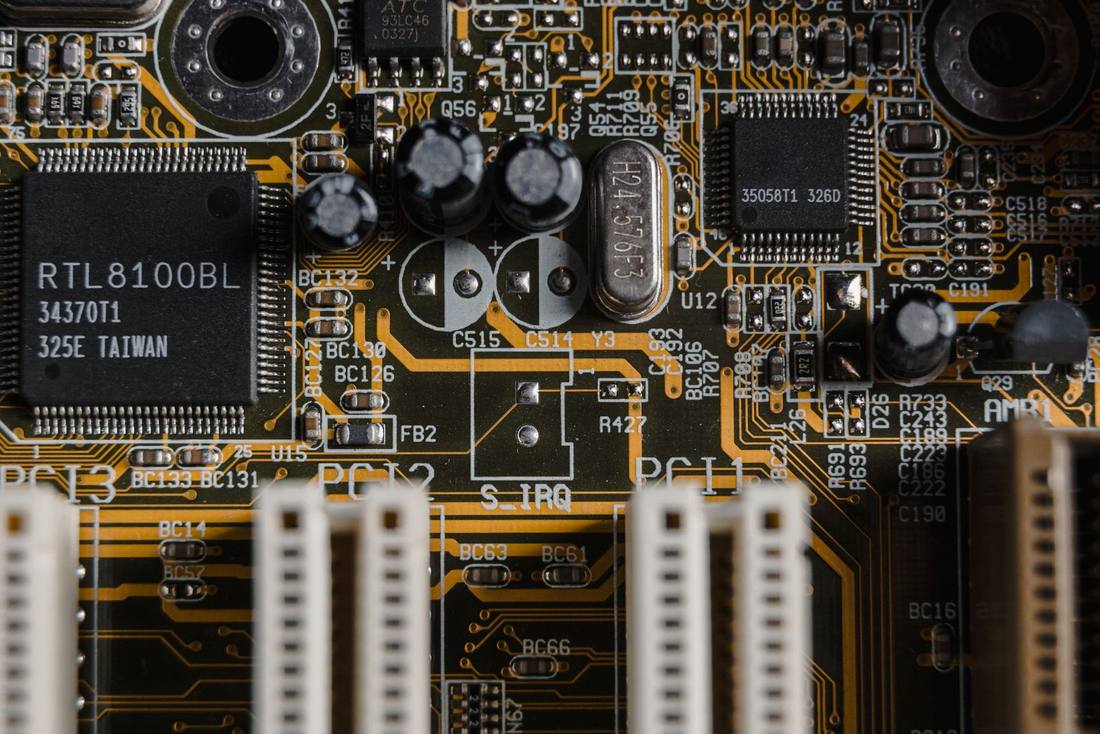
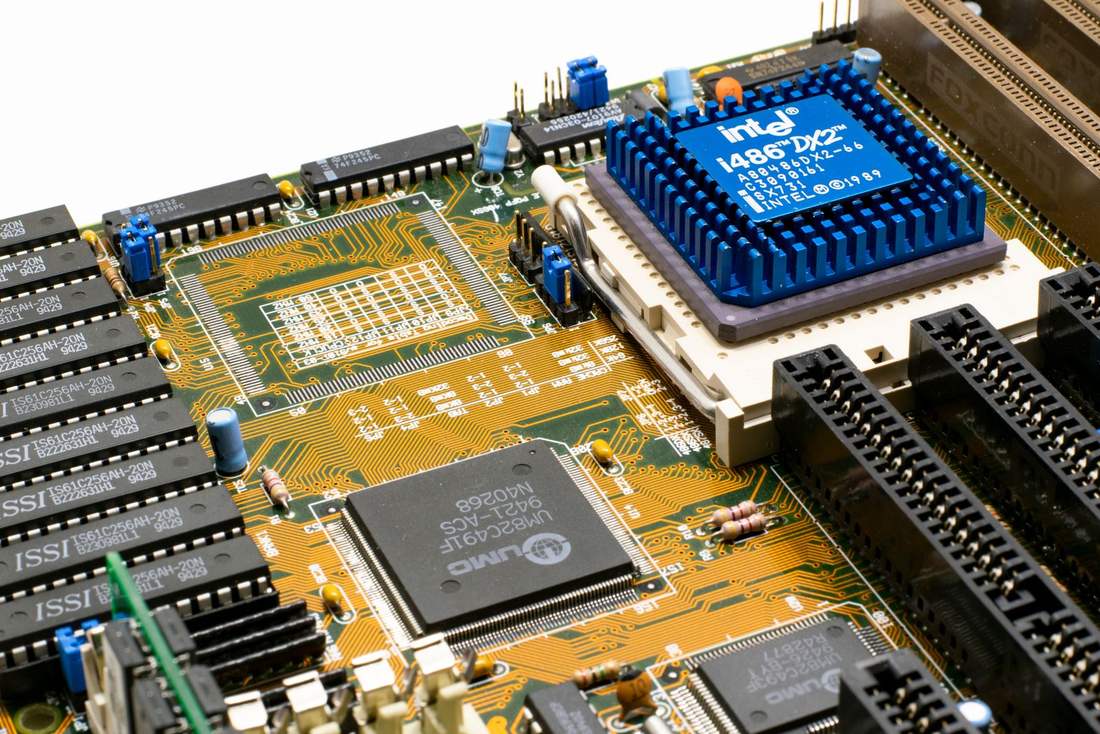
Chips and compute. The semiconductor story is the loudest. AI accelerators have become the growth engine of the entire chip industry, with demand for training and inference silicon straining supply chains and extending data-centre build-out cycles. The bottleneck in 2026 is not model quality - it is electricity, cooling and the physical capacity to install GPUs. When comparing specifications or capacity figures, a quick is handy for making sense of mixed metrics like teraflops, petabytes and gigawatts across different vendor announcements.
Data centres and energy. The knock-on effect is a data-centre boom unlike any before. Power utilities are revising demand forecasts upward, and grid operators in several regions are planning new capacity specifically for AI workloads. This has made energy a strategic input for AI in a way that was unthinkable five years ago - and it is a thread that runs through every serious analysis of the industry’s long-term ceiling.
Open source. The open-weight ecosystem has matured into a distribution channel of its own. Downloads of open models have crossed into the tens of billions, and open-weight releases are now the default starting point for a large share of developers, particularly outside the largest cloud markets. The 2026 debate is no longer whether open models are usable - it is how fast they close the gap to the frontier, a story we covered in detail when Chinese open-source models .
Jobs and skills. The labour picture is more nuanced than either the doom or the boom narrative suggests. Entry-level coding and content-production tasks have been automated at the margin, while demand for people who can design, evaluate and integrate AI systems has surged. The fastest-growing job category in tech in 2026 is not “AI researcher” - it is the applied role: engineer, analyst or designer who ships products on top of models.
What to watch. Three signals will define the next twelve months: whether data-centre energy costs start to cap capacity growth, whether enterprise AI spending converts into durable revenue rather than pilot fatigue, and whether the open-source frontier keeps compressing. The common thread is that AI in 2026 is a scale game - and the companies and countries solving compute, power and distribution are the ones writing the next chapter.
The regional picture. The geography of AI investment is shifting as quickly as the technology itself. North America still accounts for the largest absolute share of spending, but the fastest growth is now happening in Europe and parts of Asia, driven by sovereign AI programmes, deep talent pools and explicit energy policy. The European Union’s push to build national AI supercomputing capacity is the clearest example of governments treating compute as strategic infrastructure - a shift that will reshape which regions host the next wave of model training and inference.
Visual Highlights

Frequently Asked Questions
How big is the AI market in 2026?
Estimates range from roughly $300–500 billion for the combined AI software, hardware and services market in 2026, with most analysts projecting continued double-digit growth. Figures vary by definition, so always check whether a number includes infrastructure, services or only software.
Which industries are spending the most on AI?
Technology and software lead, followed by financial services, healthcare and retail. Manufacturing is the fastest-growing segment as AI moves into quality control, predictive maintenance and supply-chain optimisation. Government and defence spending is also rising sharply as a share of the total.
Will AI spending slow down?
No major analyst is predicting a near-term slowdown, though several warn of a consolidation phase. The most cited risks are energy constraints on data-centre growth and the possibility that enterprise ROI disappoints at the margin. For now, capital formation remains the defining feature of the AI economy.
Related Stories
This page is an informational compilation. For reference only — please refer to each source’s official documentation.
For reference only — please refer to each source’s official documentation.
For reference only — please refer to each product’s official documentation.
Images: Pexels (free license) · Photos by contributors on Pexels.
Privacy Policy · Contact